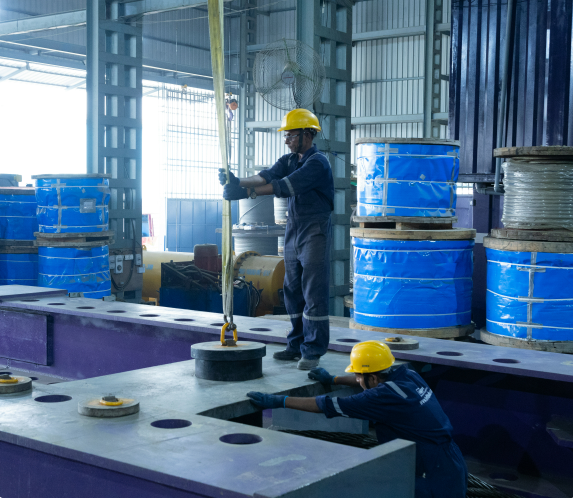
Spreader Beams vs. Lifting Beams – Choosing the Right Lifting Solution
In industrial lifting operations, selecting the correct lifting equipment is critical for safety, stability, and efficiency. Two common lifting devices are Spreader Beams and Lifting Beams. Their structure, force distribution, and applications differ, so understanding these differences helps choose the right solution for construction sites, manufacturing plants, shipyards, warehouses, and heavy machinery handling.
Major Differences
| Feature | Spreader Beam | Lifting Beam |
|---|---|---|
| Force Type | Compression | Bending |
| Top Connection | Two slings to crane hook | Single central connection |
| Headroom Requirement | Higher | Lower |
| Weight | Lighter | Heavier |
| Flexibility | Adjustable modular spans | More rigid structure |
| Ideal Load Type | Wide and oversized loads | Compact and concentrated loads |
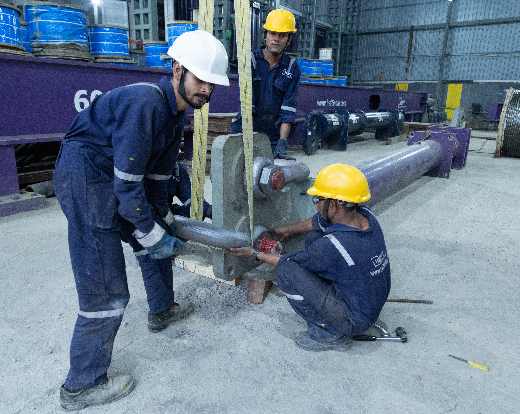
Key Features of Spreader Beams
- Operates primarily under compressive forces.
- Uses two top rigging slings connected to the crane hook.
- Requires greater headroom clearance.
- Lightweight and efficient for heavy lifting applications.
- Available in modular and adjustable designs.
- Provides excellent stability for wide loads.
What is a Spreader Beam?
A Spreader Beam is a below-the-hook device that distributes the load via compressive forces. It uses two top slings connected to a single crane hook, creating an angled rigging arrangement that provides excellent stability for wide or oversized loads. Spreader beams are relatively lightweight and preferred when balanced load distribution is required.
What is a Lifting Beam?
A Lifting Beam (lifting bar) is a rigid beam with a single central lifting point attached to the crane hook. Lifting beams handle loads mainly through bending stress and are commonly used in low-headroom environments.
Best Applications of Spreader Beams
- Large steel structures
- Long pipes and beams
- Offshore and marine lifting
- Wind turbine components
- Wide industrial equipment
- Heavy fabrication industries
Key Features of Lifting Beams
- Designed to withstand bending forces.
- Single central lifting point.
- Suitable for low-headroom lifting applications.
- Heavier and more rigid construction; often equipped with hooks or shackles.
Best Applications of Lifting Beams
- Machinery lifting
- Factory equipment handling
- Compact load lifting
- Warehouse operations
- Automotive and manufacturing industries
Which One Should You Choose?
Choose a Spreader Beam when lifting wide loads that require maximum stability and balanced force distribution. Choose a Lifting Beam when operating in confined spaces or lifting compact equipment with limited headroom. Both devices improve safety and lifting efficiency when used appropriately.
Conclusion
Understanding load behavior, rigging configuration, and application suitability helps select the right lifting beam, improving safety, reducing equipment stress, and optimizing lifting operations.